He says so himself. And he’s right.
Following the ousting of Syrian hereditary president and close Russian ally Bashar Al-Assad, Serbian state-controlled media and the general public, both pro and anti-government alike entered a few days of somber mood and mourning over yet another country “destroyed by Western imperialism and its proxies”, and over yet another warehouse full of luxury cars left behind by a courageous leader who courageously fled to Moscow.
The press supporting our own Supreme Commander was quick to inform us of the opposition’s dastardly plans to “invoke the Syrian scenario in Serbia”.
Vucic, on his part, was quick to inform us in his Instagram post that “Even though you think I’m Assad, so I’ll flee somewhere – I’M NOT! I’m alive, I’ve lived all my life here in Serbia, I’m grateful to my Serbia, I’ll stay here, I belong here, where I will end.“
Before social media was invented, Vucic made one other statement that has resonated through the ages.
The Srebrenica genocide was perpetrated in July 1995 by the Army of Republika Srpska and Serbian paramilitary forces. 8000 Bosniaks were killed. On July 20, 1995, Vucic, then a member of the Serbian parliament, stated during his speech:
“For one Serb killed, we will kill a hundred Muslims.”
After the fall of Assad’s regime, mass graves were found in Syria, containing the remains of some 100.000 people, killed during the rule of both Bashar and his father Hafez.
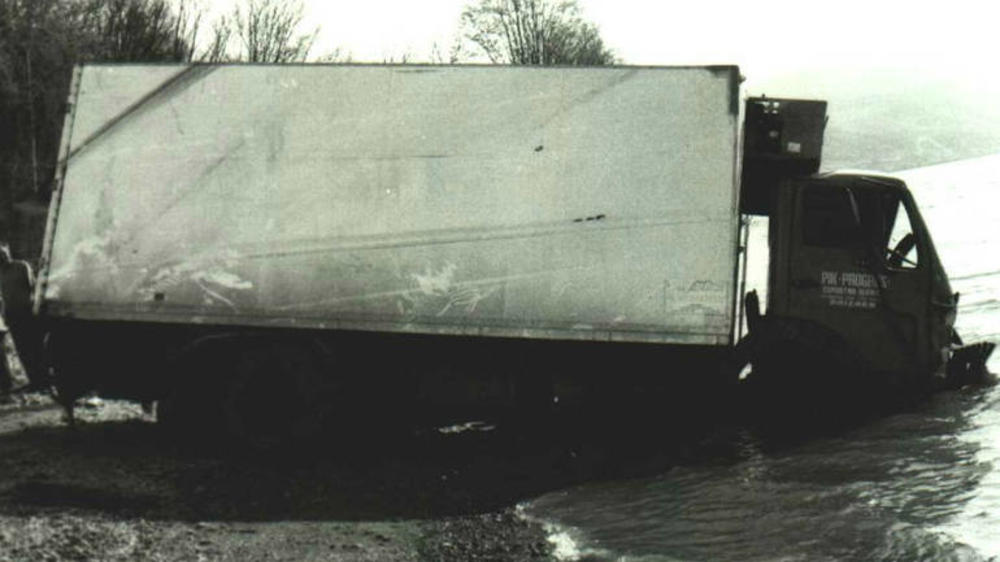
After the fall of Milosevic’s government, in which Vucic served as the minister of information, mass graves containing the bodies of Kosovo Albanians were found near Batajnica, a suburb of Belgrade, the capital of Serbia. The mass graves were found on the training grounds of the Yugoslav Special Anti-Terrorist Unit (SAJ). Another mass grave is a site in Rudnica, southern Serbia. In total, some 1000 bodies were found. No one was prosecuted for this before the Serbian courts. The only person held responsible was Vlastimir Đorđević, a former Serbian police general, convicted by the International Criminal Tribunal for the Former Yugoslavia for his role in the murder and concealment of the bodies of Albanians found in mass graves.
See, Assad Junior or the rest of his government may not have had to flee Syria. They could have stayed, gotten involved in politics a bit, done a few rallies, given regular interviews, appeared on Dancing with the Stars, and in short 12 years, might just have been elected back to office in free and democratic elections, running on a nationalist-populist anti-corruption platform. To the Serbian electorate, a party led by people with such strong patriotic credentials seemed like a great choice to eradicate corruption, because nothing says law and order like the violent death of 130,000 people in the Yugoslav wars.

 Serbianism